

In August, the Algarve’s wine-growing landscapes transform into veritable fields of activity, marking the beginning of the much-anticipated grape harvest. This time of year is crucial for the region’s wine producers, who prepare to harvest the grapes that will give rise to the white and red wines that have conquered palates in Portugal and beyond. The harvest, a process that blends tradition and technique, represents the culmination of a year of meticulous care for the vines and is, at the same time, the starting point for the creation of new wines that express the uniqueness of the Algarve terroir.
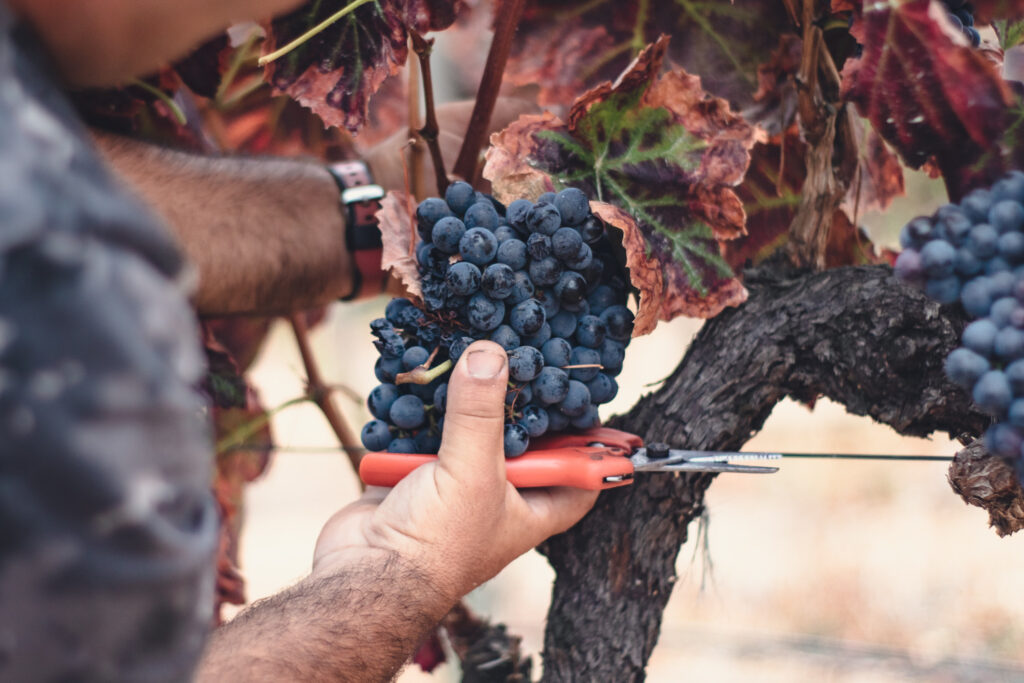
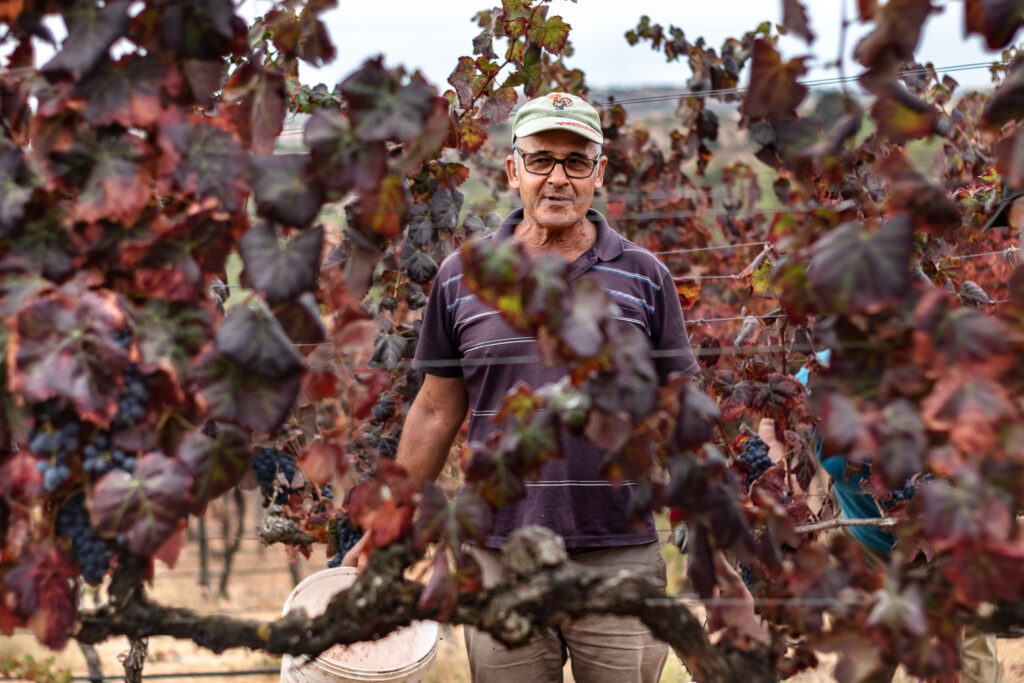
Despite technological advancements in agriculture, the grape harvest in the Algarve remains largely a manual process. This practice, which dates back centuries to winemaking tradition, is preferred by many producers due to its ability to guarantee the quality of the harvested grapes. Manual harvesting allows for a rigorous selection of the grapes, where only bunches that have reached perfect ripeness are chosen, discarding those that have defects or are not sufficiently ripe.
Manual harvesting is meticulous work that demands skill and experience. In the early morning hours, when temperatures are still low, workers begin cutting the grape bunches using pruning shears. The careful cutting avoids damage to the grapes, which are immediately placed in small boxes to be transported to the winery. This quick and careful transport is essential to preserve the freshness of the grapes and prevent premature oxidation, which could compromise the quality of the wine.
White grapes, such as the Arinto, Alvarinho, and Sauvignon Blanc varieties, are typically the first to be harvested. These grapes have thinner skins and are sensitive to heat, meaning they need to be picked before daytime temperatures rise too high. In the Algarve, where the Mediterranean climate is characterized by hot summers, harvesting white grapes is a race against the clock to ensure they arrive at the winery still fresh and ready to be transformed into wine.
Red grapes, which include the renowned Touriga Nacional, Syrah, and Aragonês, require different care. These varieties need more time to ripen, making the most of the Algarve sun to develop their deep color and the phenolic compounds that will give the wine its structure and complexity. The harvest of red grapes generally takes place a few weeks after the white grapes, when sugar and acidity levels reach the ideal balance for the production of robust and well-structured red wines.
Once harvested, the grapes are taken to the winery, where the winemaking process begins. This process varies depending on the type of grape and the style of wine desired. In the case of white grapes, the first step is destemming, which consists of removing the berries from the stems. After this process, the grapes are gently pressed to extract the must, that is, the juice of the grapes. This must is then fermented in stainless steel tanks at controlled temperatures, generally ranging between 12°C and 18°C, to preserve the fresh and fruity aromas that characterize Algarve white wines. Some wineries choose to age a portion of the white wines in oak barrels, which adds complexity and subtle notes of wood and spices to the final product.
In the case of red grapes, the winemaking process is more prolonged and complex. After destemming, the grapes are left to macerate with their skins during fermentation, which allows for the extraction of color, tannins, and other compounds responsible for the body and structure of the red wine. The fermentation of red grapes occurs at higher temperatures, generally between 24°C and 28°C, to ensure good extraction of the desired compounds. After fermentation, the wine can be aged in oak barrels, where it undergoes a maturation process that can last several months or even years, depending on the style of wine the winemaker intends to achieve. This aging in barrels imparts additional notes of vanilla, caramel, and spices to the red wine, contributing to its complexity and longevity.
The Algarve, with its Mediterranean climate and diverse soils ranging from clay to limestone and sandy, offers unique conditions for the production of high-quality wines. The Algarve terroir, combined with tradition and innovation in winemaking, has allowed the region’s wines to gain increasing recognition both nationally and internationally.
The August harvest, which symbolizes the beginning of a new cycle in wine production, is a celebration of agriculture and the hard work of everyone involved. For producers, it is a time of great anticipation, as the success of the harvest will determine the quality of the wines that will be produced throughout the year. Manual harvesting, careful grape selection, and the meticulous winemaking process are fundamental to ensuring that each bottle of wine reflects the best of the Algarve, preserving the authenticity and identity of the region’s wines.
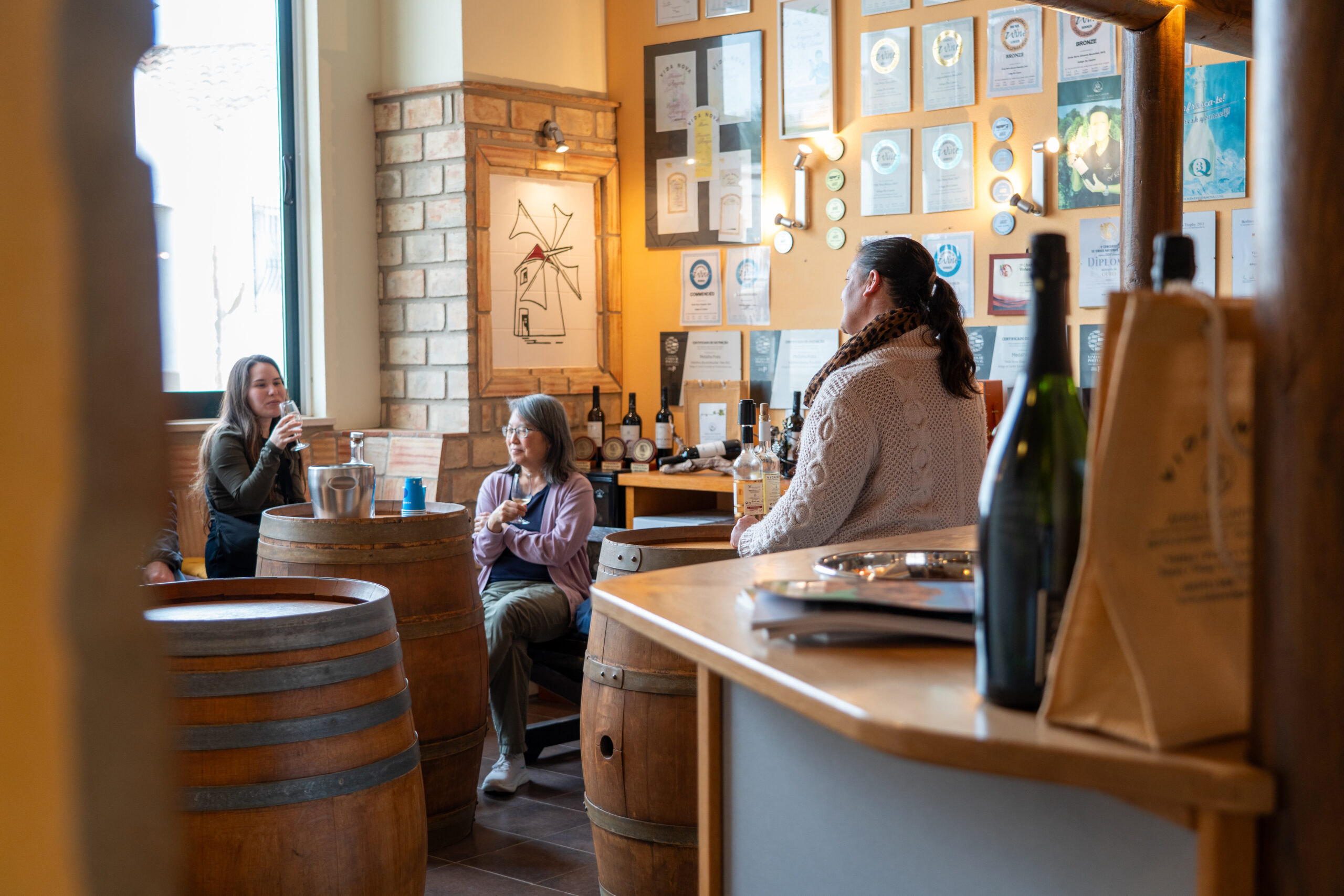
As interest in wine tourism grows, more and more visitors are seeking to learn firsthand about the production process of Algarve wines. Wineries, many of which offer guided tours and tastings, have seen a significant increase in visitors, contributing to the development of rural and wine tourism in the region. With the August harvest in full swing, the Algarve reaffirms itself as a wine destination of excellence, where tradition and modernity meet to create wines that are true expressions of their terroir. For wine lovers, this is a unique opportunity to explore and discover the flavors and aromas that make Algarve wines a well-kept secret, now increasingly appreciated worldwide.